

From McShaker Fries to Diablo Dust, some chains are experimenting with flavors without compromising texture.
Throughout the past couple of years, we’ve written an awful lot about sauce innovation, but it now seems the conversation is evolving a bit into flavor enhancements through seasonings.
Take Jollibee’s new Jolly Flavor Fries. Available for $4.49 through Oct. 13, the fries are available with two shaken seasoning options: Cheesy Cheddar and Sour Cream and Onion. The company said the item fits a growing demand for portable snacks and capitalizes on “the surging flavored fries trend.”
On paper, this looks like any other flavor-forward LTO rollout. But Jollibee said the seasoning also provides “an easy way to elevate” the meal and it’s worth noting how more brands are leveraging seasonings to do just that.
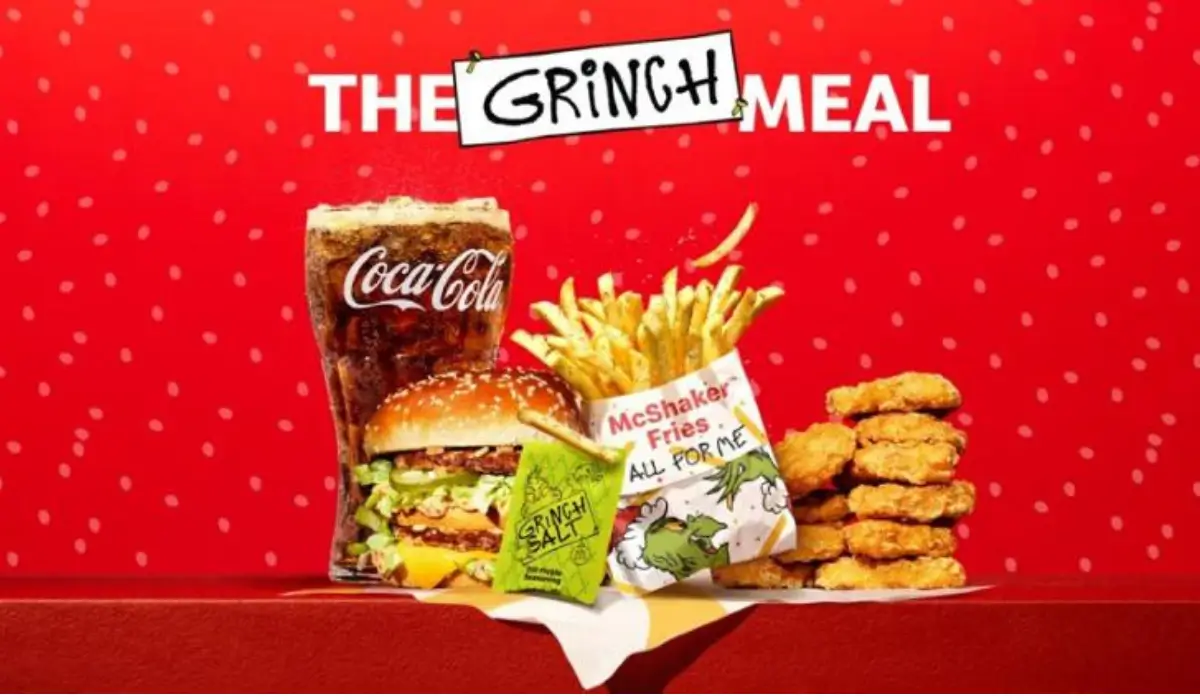
McDonald’s brought its McShaker Fries to the U.S. for the first time at the end of 2025, for instance, adding dill pickle “Grinch Salt” to it’s the Grinch Meal. McDonald’s first introduced McShaker Fries in Hong Kong in 2005, giving customers seasoning packets to shake with their fries in a special bag. In 2024, McDonald’s Canada launched McShaker fries with flavors such as Masala and Ramen. The fries have appeared all over social media, with several TikTok posts going viral.
Notably, McDonald’s sold out of The Grinch Meal in several markets less than a week after launch. McDonald’s added another McShaker Fries experience earlier this year with its Huntr/X Meal featuring a spicy, umami spin with soy, garlic, sesame and spice seasoning.
In June, Wendy’s Canada jumped on the trend, adding Dill Pickle Shaker Fries to the lineup. Fries aren’t the only menu item getting the flavored seasoning treatment. KFC Canada added a “dusting of dill seasoning” to its fried chicken last year as part of its bigger Pickled Menu.
Along these same lines, Taco Bell embraced a sauce-to-dust transformation earlier this year with its Diablo Dusted Crispy Chicken Nuggets. In a statement, Liz Matthews, global chief food innovation officer, said by coating its nuggets in Diablo Dust, Taco Bell is “opening the doors for even more creative, dusted flavor experiences.”
To be sure, this idea of coating fries and nuggets with seasoning isn’t new. Burger King’s Shake ‘Em Up Fries were popular in the early 2000s and featured a cheese powder and a bag with instructions on how to shake and coat.
But this approach, which is considered an experience for some, has been growing as of late. According to Technomic, seasonings (or dustings) and dry rubs are indeed increasing in popularity within the foodservice industry, reflecting evolving consumer preferences for enhanced flavor profiles and culinary experimentation.
Jake Taylor, senior director of menu architecture and innovation at Church’s Texas Chicken, said this trend is in response to consumers, especially younger and multicultural consumers, who are actively looking for “more customizable, craveable experiences beyond traditional sauces.”
For its part, Church’s recently launched its first lineup featuring dry rubs.
“We are seeing broader consumer behavior and category trends point toward growing interest in dry rubs and flavor-forward seasoning profiles, particularly within chicken QSR,” Taylor said, adding that such seasonings preserve the texture of fried chicken more than sauces.
“While traditional sauces continue to perform strongly, consumers are increasingly seeking layered flavor experiences, customization, and bold seasoning options that do not compromise crispiness,” he said. “We are seeing strong engagement with seasoning-forward flavors and increased interest in maintaining crispiness and texture.
“While guests enjoy sauced chicken, there is a growing segment looking for flavor that does not overpower or soften the crunch. Offering multiple dry seasoning options creates an easy entry point for experimentation and repeat visits without changing the core product.”
